Missouri weather has a way of keeping homeowners on their toes. One week may bring mild temperatures and sunshine, while the next delivers freezing rain, snow, and bitterly cold winds.
Your roof takes the brunt of these changing conditions, making late fall an important time to evaluate its condition.
While not every aging roof needs to be replaced before winter, certain warning signs could indicate that your roofing system isn’t prepared for another season of harsh weather.
At Belle Roofing & Exteriors, we help homeowners throughout the St. Louis area identify roofing concerns and determine whether repairs or replacement may be necessary.
Here are seven warning signs to watch for.
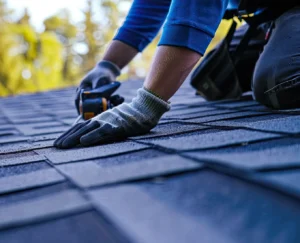
1. Missing, Cracked, or Curling Shingles
Your shingles are the first line of defense against rain, wind, and other outdoor elements.
When they’re damaged, that protective barrier becomes less reliable.
Look for:
- Missing shingles or exposed areas
- Cracked or broken shingle tabs
- Shingles curling at the edges
- Loose or lifted shingles
Strong winter winds can make existing shingle damage worse, while freezing and thawing conditions can put additional stress on vulnerable areas.
If you notice these issues, it’s worth having your roof evaluated before winter weather arrives.
2. Excessive Granule Loss
Asphalt shingles are coated with protective granules that help shield them from sunlight and weather exposure.
Over time, some granule loss is normal. However, excessive loss may indicate that your shingles are deteriorating.
Check your gutters and downspouts for an unusual accumulation of shingle granules. You may also notice areas of your roof that appear uneven in color or have visible bald spots.
Significant granule loss can leave shingles more vulnerable to weather-related wear.
3. Water Stains on Ceilings or Walls
A roof leak doesn’t always announce itself with a steady drip from the ceiling.
Sometimes, the first signs are subtle:
- Brown or yellow ceiling stains
- Peeling paint near the ceiling
- Bubbling drywall
- Damp areas in the attic
- Musty odors
Even a small leak can allow moisture to accumulate over time.
Winter conditions can make an existing problem more difficult to address, so it’s best not to ignore signs of water intrusion.
4. Damaged Flashing Around Chimneys and Vents
Flashing helps direct water away from vulnerable areas where the roof meets chimneys, walls, skylights, and other features.
If flashing is loose, cracked, rusted, or improperly installed, water may find its way underneath the roofing materials.
These areas deserve particular attention because they can become entry points for moisture during heavy rain, snow, and ice.
A professional roof inspection can help identify flashing concerns before they lead to more extensive damage.
5. A Sagging or Uneven Roofline
Take a look at your roof from the street. Does the roofline appear straight and consistent, or do you notice areas that seem to dip or sag?
A sagging roof can indicate a more serious underlying issue involving the roof structure, decking, or moisture damage.
This isn’t something to put off until spring. Have a qualified roofing professional evaluate any noticeable sagging or structural changes promptly.
6. Your Roof Is Approaching the End of Its Expected Lifespan
Roofing materials don’t last forever.
The lifespan of an asphalt shingle roof depends on factors such as material quality, installation, ventilation, maintenance, and exposure to the elements.
If your roof is approaching the end of its expected service life, winter is a good reason to have its condition evaluated.
An older roof isn’t automatically a roof that needs replacement. However, combining age with visible damage or recurring leaks may indicate that replacement should be considered.
7. You’ve Had Multiple Repairs in Recent Years
Have you found yourself calling for another roof repair every time a storm rolls through?
Repeated repairs may be a sign that your roof has reached a point where individual fixes are no longer the most practical long-term solution.
If multiple areas are showing signs of deterioration, a professional inspection can help determine whether continued repairs make sense or whether a full replacement would be a better investment.
Why Missouri Winters Can Be Hard on Your Roof
Missouri homeowners experience a wide range of winter weather conditions, including:
- Freezing rain and ice
- Snow accumulation
- Strong winds
- Repeated freezing and thawing
- Sudden temperature changes
These conditions can expose weaknesses in an already aging or damaged roofing system.
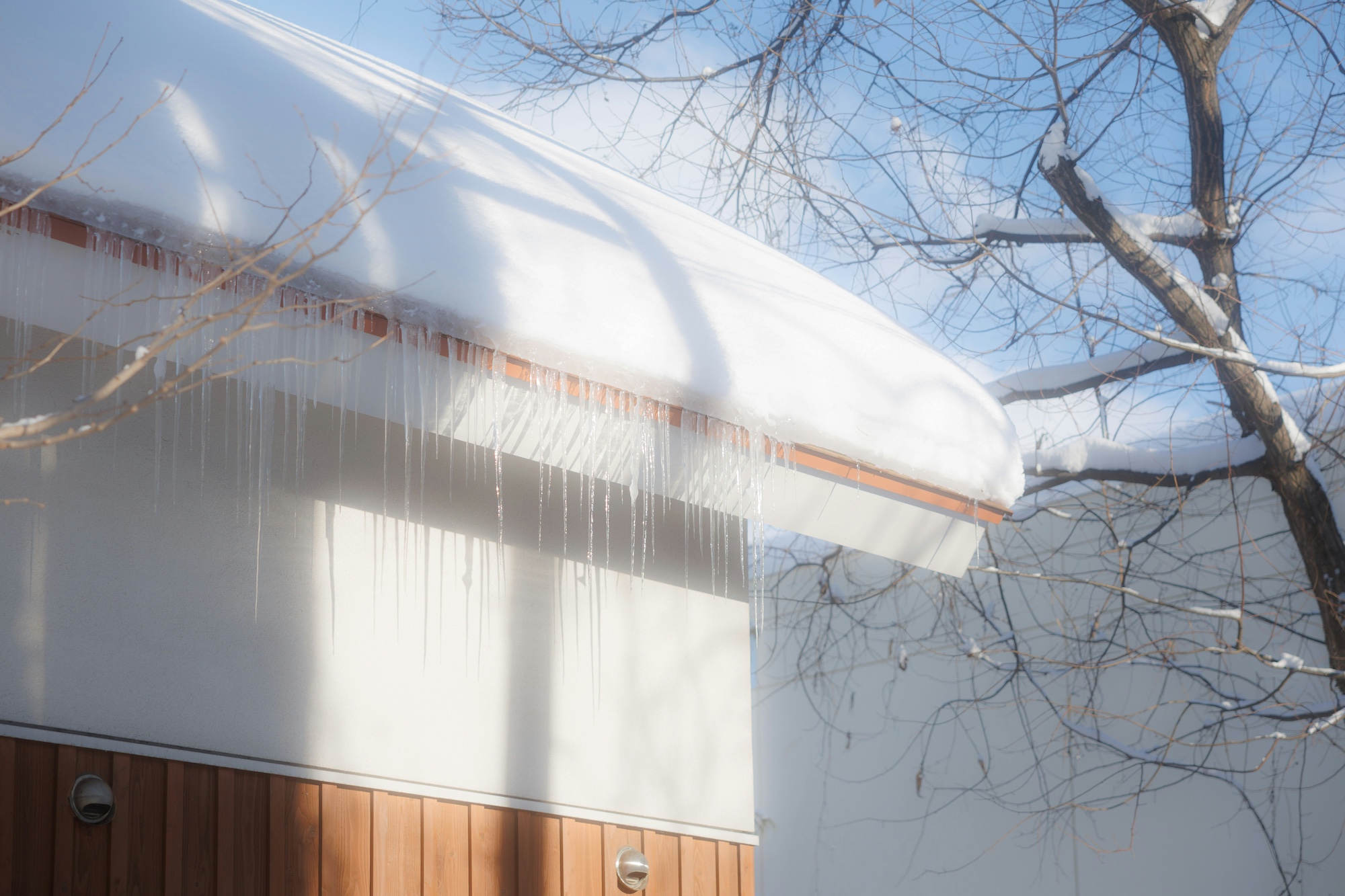
Ice dams can also develop when heat escaping into the attic contributes to uneven snowmelt along the roof. Proper insulation, air sealing, and ventilation are important parts of helping manage this risk.
Taking care of existing roofing concerns before winter can help reduce the likelihood of dealing with unexpected problems during the coldest months of the year.
Don’t Wait Until the First Winter Storm
The best time to address a roofing concern is before it becomes an emergency.
If you’ve noticed missing shingles, signs of moisture, damaged flashing, or other warning signs, consider scheduling an inspection before winter weather settles in.
At Belle Roofing & Exteriors, our team can help evaluate your roof, identify areas that need attention, and discuss whether roof repairs or replacement are appropriate.
Is your roof ready for another Missouri winter? Contact Belle Roofing & Exteriors today to discuss your roofing needs and schedule an inspection.